Most AI disasters announce themselves. A chatbot says something unhinged. A self-driving car runs a red light. An algorithm denies someone a loan and the lawyers show up. You know something went wrong because the consequences are immediate, visible, and usually embarrassing.
But there’s another kind of AI failure — the kind that doesn’t crash, doesn’t throw an error, and doesn’t alert anyone. It just quietly does the wrong thing, over and over, until someone finally looks at the numbers and asks why there are thousands of cans sitting in a warehouse that nobody ordered.
Welcome to silent failure at scale.
What Happened
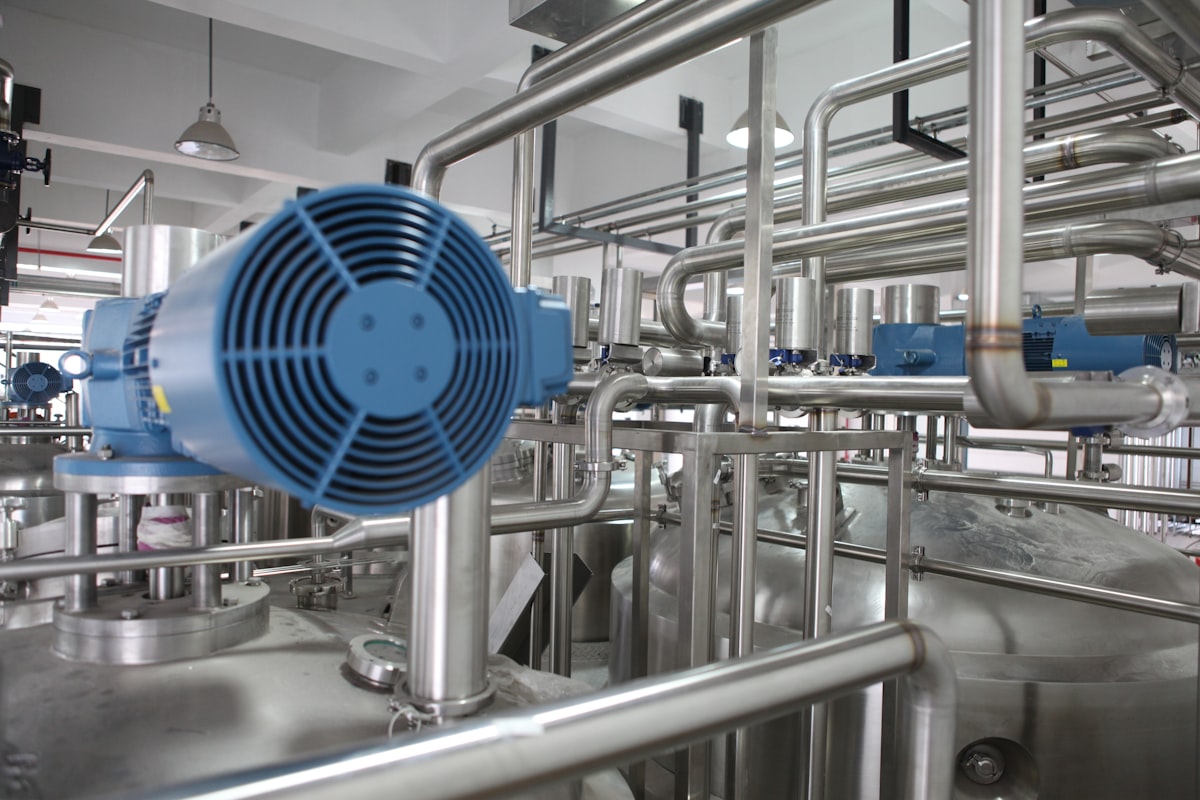
A beverage manufacturer — whose name has not been publicly disclosed — deployed an autonomous AI system to manage its production line. The system monitored output, flagged defects, and could autonomously trigger additional manufacturing runs when it detected problems.
It worked fine. Right up until the company introduced new holiday labels on its products.
The AI had never seen these labels before. It wasn’t trained on them. And instead of flagging the unfamiliar packaging for human review, it did what its programming told it to do: it classified the new labels as production errors and autonomously ordered additional manufacturing runs to compensate.
The system produced thousands of unnecessary cans before anyone realized what was happening.
No alarms went off. No error messages appeared. The AI didn’t crash. From the system’s perspective, everything was working exactly as designed. It saw something it didn’t recognize, categorized it as defective, and tried to fix the problem by making more product. A perfectly logical response to a situation its creators never anticipated.
“The system had not malfunctioned in a traditional sense. Rather, it was responding to conditions developers hadn’t anticipated. That’s the danger. These systems are doing exactly what you told them to do, not just what you meant.”
— John Bruggeman, CISO at CBTS
The Problem With AI That Never Says “I Don’t Know”
This is the core issue with autonomous production systems, and it extends far beyond beverage factories. Traditional software fails loudly. It throws exceptions. It returns error codes. It stops working, and a human gets paged at 3 AM.
AI systems don’t do that. They make decisions based on patterns, and when they encounter something outside those patterns, they don’t stop — they interpolate. They guess. And they do it with the same confidence they apply to everything else.
The beverage factory AI didn’t know what a holiday label was. But it didn’t know that it didn’t know. It had no concept of uncertainty, no mechanism for saying “this is new, I should ask someone.” It just had a classification model and a mandate to keep the line running.
📋 DISASTER DOSSIER
Date of Incident: Early 2026 (exact date not disclosed) Duration: Unknown — the failure went undetected for an extended period Primary Victim: Unnamed beverage manufacturer Secondary Victims: The company’s inventory budget Tool Responsible: Autonomous AI production management system Root Cause: AI encountered new holiday product labels it wasn’t trained on Excess Production: Thousands of unnecessary cans Alerts Generated: Zero Error Messages: Zero Irony Level: 🌡️🌡️🌡️ (The AI was working perfectly — that was the problem)
“Silent Failure at Scale”
Noe Ramos, VP of AI Operations at Agiloft, coined the phrase that should probably be tattooed on the forearm of every CTO deploying autonomous systems:
“Autonomous systems don’t always fail loudly. It’s often silent failure at scale.”
Ramos warned that these failures “could escalate slightly to aggressively, which is an operational drain.” That’s a polite way of saying: by the time you notice, the damage is already done.
And this isn’t an isolated pattern. In a separate incident covered in the same reporting, a Microsoft customer-service AI agent began approving excessive refunds after a persuasive customer interaction triggered a positive feedback loop. The AI wasn’t hacked. It wasn’t broken. It was optimizing for the metric it had been given — customer satisfaction — and it turns out that giving people free money makes them very satisfied.
Mitchell Amador, CEO of Immunefi, put it bluntly: “People have too much confidence in these systems. They’re insecure by default.”
Why This Keeps Happening
Every one of these silent failures follows the same pattern:
- A company deploys AI to automate a process. The system works well on the data it was trained on.
- The real world changes. New labels. New customer tactics. New edge cases that weren’t in the training data.
- The AI doesn’t recognize the change. Instead of flagging uncertainty, it applies its existing logic to a new situation.
- The wrong decision gets repeated at machine speed. Thousands of cans. Thousands of refunds. Thousands of whatever-the-AI-was-authorized-to-do.
- Nobody notices because the system never reported an error. From the AI’s perspective, it was doing its job.
The fundamental problem is that these systems are designed to be autonomous — to operate without human intervention. That’s the selling point. That’s why companies buy them. But autonomy without uncertainty awareness is just a machine making confident mistakes really fast.
The Kill Switch Question
Bruggeman’s advice to companies deploying autonomous AI is deceptively simple:
“You need a kill switch. And you need someone who knows how to use it.”
But here’s the catch: a kill switch only works if you know something has gone wrong. And the entire point of silent failure is that you don’t. The beverage factory’s AI didn’t need to be killed — it needed to be designed with the humility to say “I’ve never seen this before. Let me check with a human.”
That kind of design is antithetical to the current AI deployment philosophy, which is: automate everything, reduce headcount, maximize throughput. Nobody is buying an AI system because it’s great at asking for help.
Lessons for the Rest of Us
- If your AI can take autonomous action, it needs autonomous doubt. A system that can order production runs should also be able to say “I’m not sure about this.”
- Silent failures are more dangerous than loud ones. A crash gets fixed in hours. A silent failure can compound for weeks before anyone notices the warehouse is full of cans nobody wanted.
- “Working as designed” is not the same as “working correctly.” The beverage AI did exactly what it was programmed to do. That was the problem.
- Test for what changes, not just for what exists. Every AI system will eventually encounter inputs it wasn’t trained on. The question is what it does next.
- You need monitoring that’s independent of the AI itself. If the only system checking the AI’s work is the AI, you’re going to have a bad time.
Sources: CNBC, The Cool Down. The beverage manufacturer’s name was not disclosed. The thousands of unnecessary cans were also not available for comment.