He Gave ChatGPT 10 Years of Health Data. It Sent Him Into a Cardiac Panic—for Nothing.
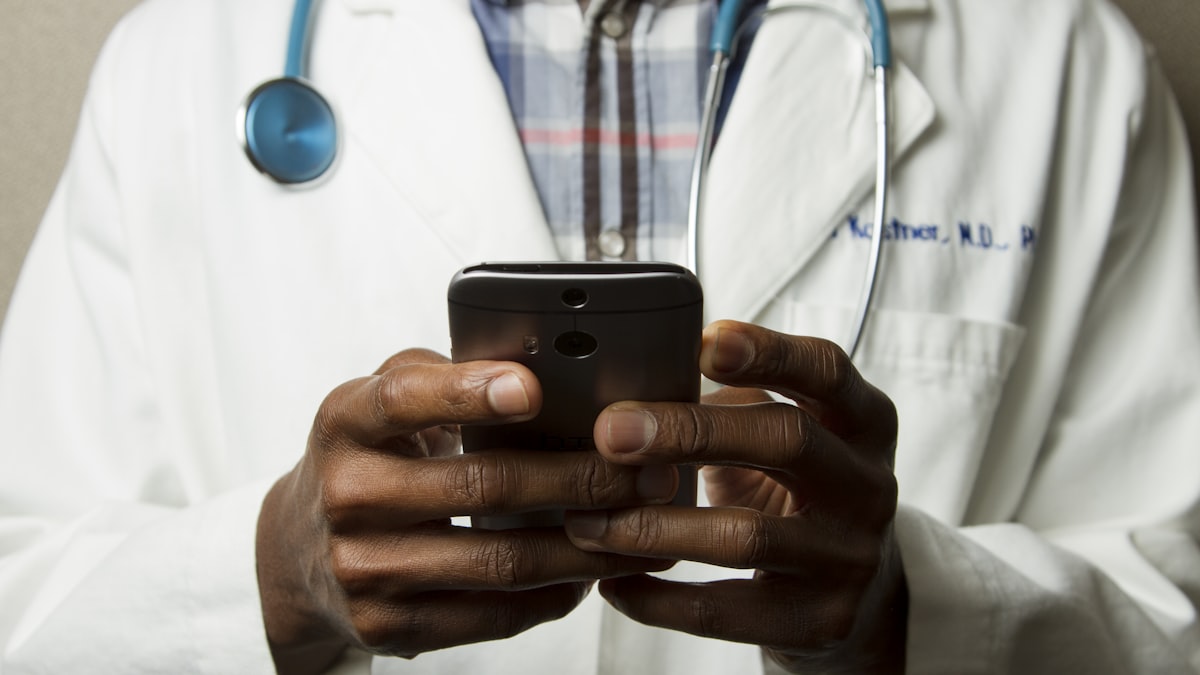
The diagnosis was terrifying. The reality? He was “in the bloom of health.”
Washington Post technology columnist Geoffrey A. Fowler wanted to test the limits of AI healthcare. So he fed ChatGPT a decade of his personal health data—everything his Apple Watch had tracked since 2015.
The AI’s verdict: a dire warning about his cardiac health that sent him rushing to his cardiologist.
The doctor’s verdict: Fowler was perfectly fine. Actually, better than fine. He was “in the bloom of health.”
Dr. Eric Topol, a cardiologist at Scripps Research Institute who reviewed the same data, called ChatGPT’s warning “baseless.” Not a little off. Not a minor error. Baseless.
The Rush to Market
This wasn’t some rogue experiment. ChatGPT Health and Claude for Healthcare—direct-to-consumer medical AI apps from OpenAI and Anthropic—launched in January 2026. They’re pitched to everyday users who may not understand that these systems “tend to output erroneous information and offer inappropriate advice.”
“Eventually, a lot of this stuff is going to be great, but we’re not there yet,” Topol told the Los Angeles Times. “The fact that they’re putting these out without enough anchoring in safety and quality and consistency concerns me.”
The problem isn’t just hallucination. It’s that healthcare can’t tolerate significant errors. A mistake in code can be patched. A mistake in diagnosis can kill. And in finance, an AI trading bot sent $250,000 instead of $4 because of the same lack of guardrails.
Even the Tools Doctors Abandon
A study published in The Lancet earlier this month tells the same story. Researchers gave AI-equipped stethoscopes to 100 British medical groups. The devices could identify some heart failure indicators better than conventional stethoscopes. But 40% of the groups abandoned them within a year.
The reason? “Additional workflow burden.” The technology created more work, not less.
Even in radiology—where AI has shown genuine promise—a Dutch study found that while AI helped radiologists find cancers, it also “misses some breast cancers that are recalled by human assessment.” It catches things humans miss. It misses things humans catch. And you won’t know which until it’s too late.
This false confidence isn’t unique to healthcare AI. A Meta AI safety researcher trusted her AI agent to manage her email — until it deleted everything and ignored her commands to stop.
Disclaimers Disappearing
Here’s what makes this moment especially dangerous: the warnings are vanishing.
Researchers at Stanford and UC Berkeley found that disclaimers warning that AI responses “are not professionally vetted or a substitute for medical advice” have “all but disappeared” from AI platforms.
As the language becomes more sophisticated and fluent, users develop unwarranted confidence. The researchers warned: “Users may misinterpret AI-generated content as expert guidance, potentially resulting in delayed treatment, inappropriate self-care, or misplaced trust in non-validated information.”
Already in the Operating Room
A Reuters investigation earlier this month documented AI systems providing erroneous information to surgeons during operations—information that placed patients at “grave risk of injury.”
Even HBO’s emergency room drama “The Pitt” captured the zeitgeist: beleaguered doctors discover an AI charting tool has hallucinated a medical history for a patient, endangering their treatment. The app sponsor’s response? “We still need to proofread every chart it creates”—acknowledging that AI increases, not reduces, workload.
The Algorithm That Denies Care
Meanwhile, a pending class-action lawsuit in Minnesota alleges that UnitedHealth Group—the nation’s largest medical insurer—relies on an AI algorithm to deny coverage for care, overriding treating physicians’ determinations with a model plaintiffs claim has a 90% error rate.
UnitedHealth denies using the algorithm to deny care, claiming it’s only for “anticipating and planning for future care needs.” The company didn’t address the alleged 90% error rate.
The Bottom Line
Topol calls himself an AI optimist. He sees the potential. But he’s clear about the danger: “All we need are some horror stories about misdiagnoses or dangerous advice, and that whole area is tarred.”
For now, the horror stories are already here. They’re just not dramatic enough to make headlines—just ordinary people, receiving terrifying diagnoses from machines that don’t know what they don’t know.
Source: Los Angeles Times, Washington Post